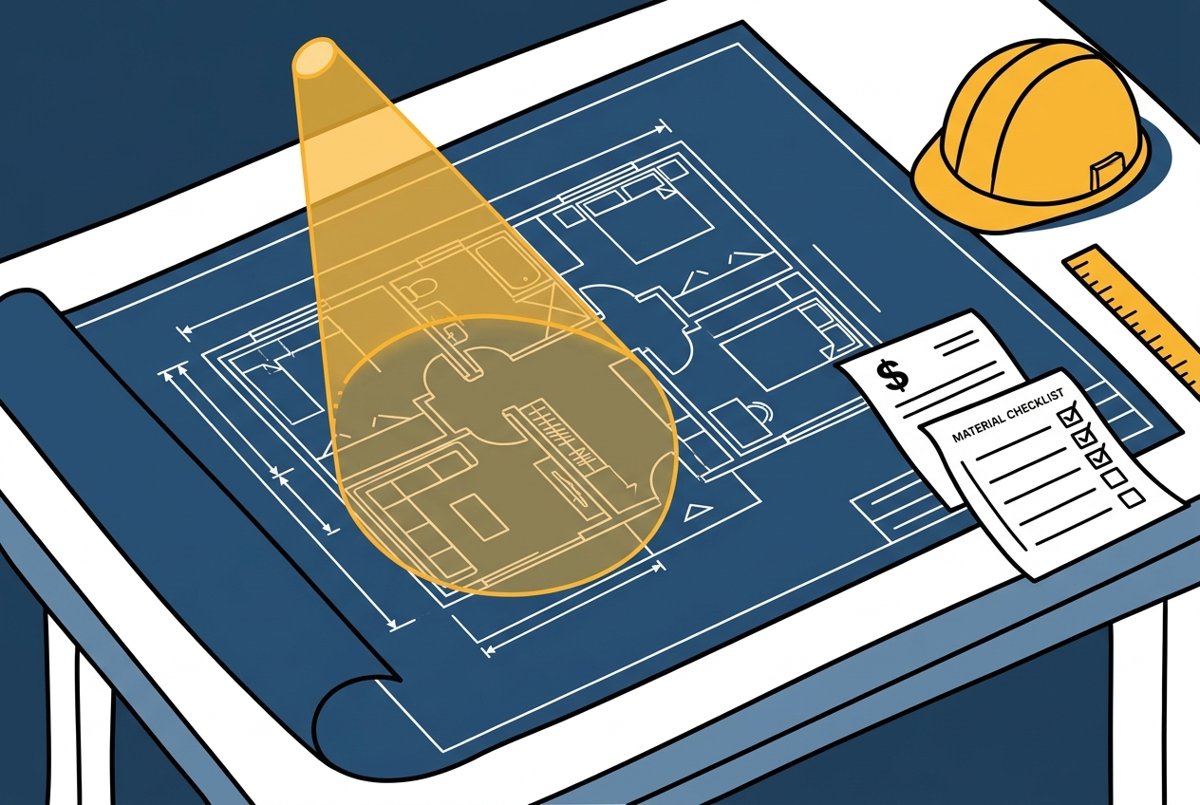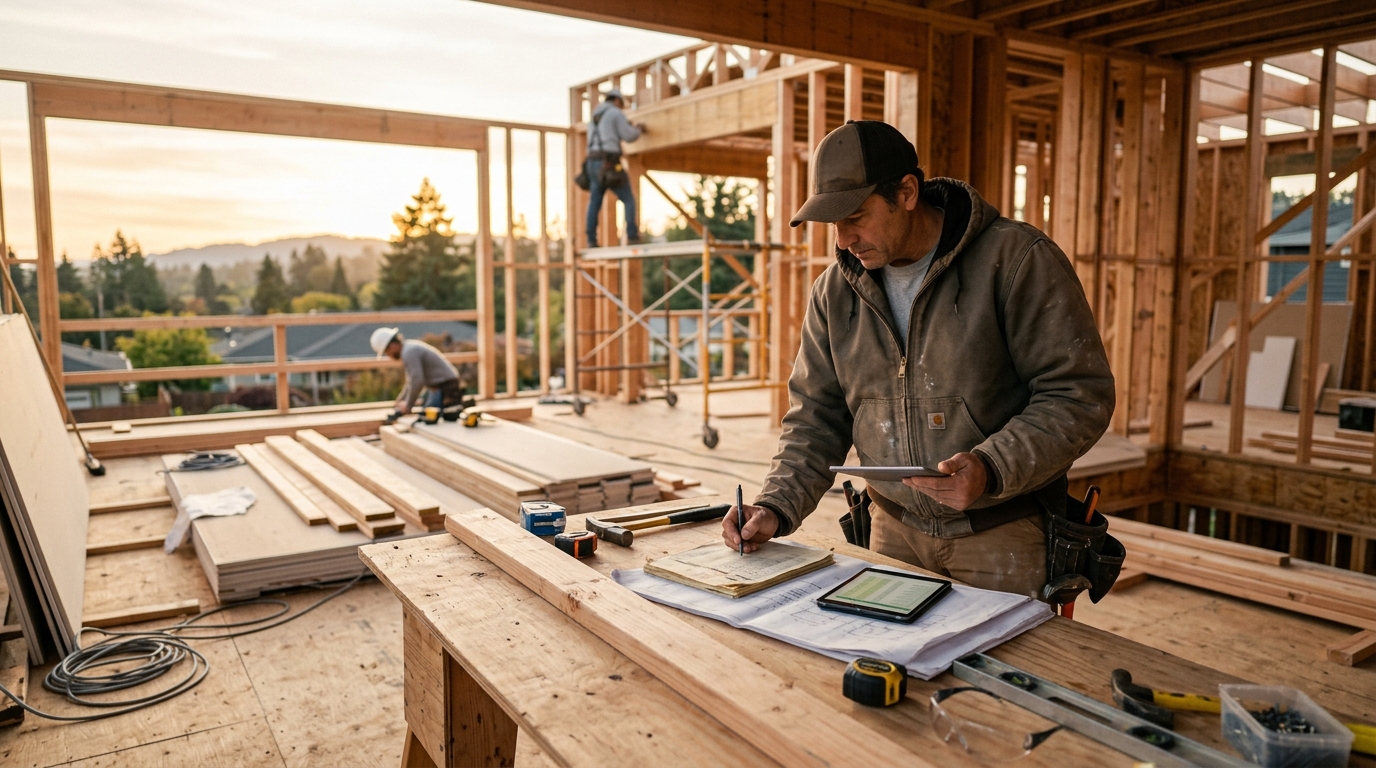
Stop Guessing at Your Numbers
A lot of contractors lose money on good work for one simple reason: they price jobs based on habit, not math. If your method is some version of materials + labor + a little extra, you are probably undercharging on smaller jobs, rushed jobs, and jobs with too many unknowns. The result is familiar: the schedule stays full, but the bank account does not.
Profitable pricing is not about being the highest bidder. It is about knowing your real costs, building in the right margin, and explaining your price with confidence. Homeowners may compare numbers, but they also compare professionalism, detail, speed, and trust. A tight, clear proposal often wins over a cheaper one that feels vague.
In 2026, pricing pressure is still real. Material costs can swing, skilled labor is expensive, and callbacks eat profit fast. The contractors who do well are the ones who treat estimating like a system. This article gives you a practical pricing framework you can use for remodels, repairs, service work, and small construction jobs without overcomplicating it.
Know the 5 Parts of Every Job Price
Every job price should include five separate pieces. If you blend them together, you cannot tell where profit is coming from or where it is disappearing.
- Direct materials: Lumber, concrete, fixtures, fasteners, drywall, paint, rental equipment, dump fees, and delivery charges tied to that job.
- Direct labor: The hourly wages for everyone physically working the job.
- Labor burden: Payroll taxes, workers' comp, liability costs tied to labor, paid time off, and benefits. A $30 per hour employee may actually cost you $38 to $45 per hour.
- Overhead: Office rent, software, estimating time, truck payments, fuel, phones, advertising, bookkeeping, licenses, and general insurance. These are business costs whether one job runs or not.
- Net profit: What the business keeps after all job costs and overhead are covered.
Too many contractors skip labor burden and overhead, then try to "make it up" with markup. That works until you hit a slow month or a problem job. Separate these numbers instead. If your bids feel inconsistent, this is usually the first fix that improves them.
A simple rule: if you cannot point to where overhead and profit appear in your estimate, they are probably not there in a reliable way.
Calculate Your Break-Even Hourly Cost
Before you price any job, know what one billable labor hour actually costs your company. This number becomes the backbone of your estimate.
Start with one field employee. Let us say the base wage is $32/hour. Add labor burden at, for example, 25%. That puts your loaded labor cost at $40/hour. Now add overhead allocation. If your company overhead runs $12,000 per month and your crew produces 400 billable hours per month, overhead is $30 per billable hour. Your break-even cost is now $70/hour before profit.
If you want a net profit target of 10%, you do not just add 10% casually and hope for the best. You need a selling rate that covers the full cost and leaves room for profit. In this example, many contractors would round their effective charge rate to something like $78 to $85 per hour, depending on risk, travel, supervision, and market conditions.
This is where underpricing usually starts: the contractor charges $55 or $60 per hour because that sounds competitive, without realizing they are below break-even once overhead is included.
Quick formula:
Loaded labor cost + overhead per billable hour = break-even hourly cost.
Then add profit target and job-specific risk.
Use a Simple Pricing Formula on Every Estimate
You do not need fancy software to create a reliable price. A consistent worksheet or spreadsheet is enough if you use the same formula every time.
Basic job pricing formula:
Direct materials
+ Direct labor
+ Labor burden
+ Equipment/subcontractors
+ Overhead allocation
+ Contingency
= Total job cost
Then apply your profit target to reach final price.
Here is a quick example for a small bathroom refresh:
- Materials: $4,800
- Direct labor: 72 hours at $32/hour = $2,304
- Labor burden at 25% = $576
- Tile saw rental, disposal, misc. = $320
- Overhead allocation: 72 hours at $30/hour = $2,160
- Contingency at 5% for unknowns = $508
Total cost: $10,668. If your profit target is 15%, your final selling price lands around $12,250 depending on how you structure markup and tax in your local market.
The point is not the exact number. The point is that every line has a reason. When a customer asks why your bid is higher, you can explain scope, labor, protection, supervision, and quality control instead of sounding defensive.
If you hire specialty help on certain jobs, keeping a bench of reliable trades matters too. Some contractors use platforms like ConstructHelp to find vetted pros for overflow work so pricing does not get wrecked by last-minute labor shortages.
Add Contingency Without Scaring Customers Off
Contingency is not padding. It is protection against predictable uncertainty. Old homes, hidden damage, weather delays, access problems, customer changes, and supplier substitutions are all common. If your estimate assumes everything goes perfectly, your price is fiction.
The key is to size contingency based on risk. On straightforward, repeatable work, 3% to 5% may be enough. On remodels with demo, unknown framing, old wiring, or moisture damage, 8% to 15% may be more realistic. New construction scopes with detailed plans may need less than remodeling work in occupied homes.
Do not just bury this number and hope no one notices. Instead, write your proposal clearly. You can say that pricing includes normal installation conditions and that concealed conditions or owner-requested changes are handled through written change orders. That keeps your base price fair while protecting you from absorbing surprises that are not your fault.
Another smart move is to separate allowances from fixed pricing. If a homeowner has not selected the vanity, tile, or appliance package yet, list a realistic allowance range. This avoids the common mess where you bid low-end finishes and the customer later expects premium products inside the same contract price.
Good pricing is not about hiding risk. It is about naming it before it becomes conflict.
Watch These 7 Pricing Mistakes
Even experienced contractors fall into the same pricing traps. Catching these can improve profit faster than raising prices across the board.
- Using markup and margin as if they are the same thing. A 20% markup does not equal a 20% profit margin.
- Forgetting small material costs. Adhesives, blades, screws, plastic, caulk, and cleanup supplies add up fast.
- Not charging for travel and setup. Especially on service calls and short-duration jobs, windshield time matters.
- Underestimating supervision. Lead carpenter time, project management, and customer communication are real labor costs.
- Pricing from memory. Last year's numbers may be wrong this year.
- Ignoring callback risk. Cheap labor or rushed scheduling often creates expensive warranty work.
- Discounting too fast. If a customer says your bid is high, clarify scope first before cutting price.
One of the worst habits is winning a job with a low number and hoping to recover profit on change orders. That hurts your reputation and usually backfires. Clean pricing upfront is better for both sides.
If you supply materials for customers regularly, comparing prices in a contractor marketplace can also help protect margin on tools and jobsite supplies. Used carefully, a marketplace like ConstructHelp can make it easier to source materials or equipment without burning time chasing one-off deals.
Build a Pricing System You Can Actually Use
The best pricing system is not the fanciest one. It is the one your company will use consistently every week. Start with a repeatable template and refine it after every job.
Your pricing checklist:
- Update labor rates quarterly.
- Review overhead monthly.
- Track estimated hours vs. actual hours on every job.
- Track gross profit by job, not just bank balance.
- Create standard assemblies for common work like decks, trim packages, paint rooms, doors, or fixture swaps.
- Set minimum charges for small jobs and service calls.
- Use written change orders every time the scope changes.
- Review your close rate so you know whether you are overpriced, underpriced, or just talking to the wrong leads.
After 10 to 20 jobs, patterns show up. You may learn that demo always runs 20% longer than estimated, or that custom finish work needs a higher margin than basic installs. That is valuable data. Use it.
Pricing confidently also improves sales. Customers are more likely to trust a contractor who explains the process, timeline, exclusions, and payment schedule clearly. When your estimate is built on real numbers instead of instinct, you stop negotiating against yourself. You can stand behind the price because you know exactly what it needs to cover.
Busy is not the same as profitable. A simple, disciplined pricing system is what turns booked work into a healthy contractor business.